Loto‑Québec’s Focus on Single-Operator Model: Is It Limiting Innovation in Canada’s Gaming Sector?
Press release August 14, 2025 Casino Gambling Igaming CanadaA deep dive into Loto‑Québec’s monopoly model and what it means for competition, innovation, and the future of iGaming in Canada
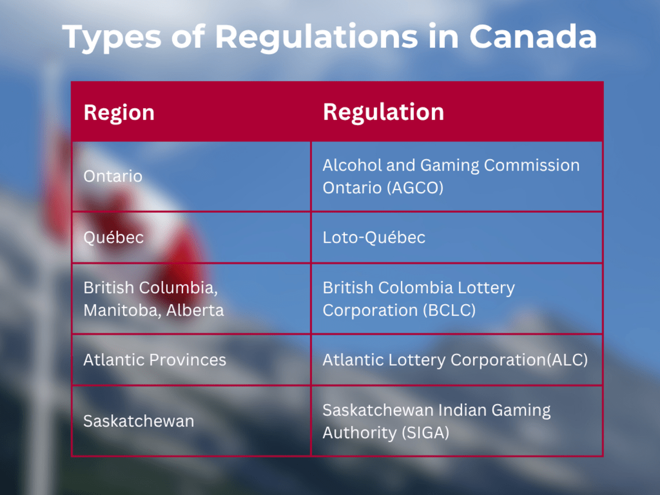
CasinoRank, a leading authority in iGaming insights, provides a detailed analyses of Canada’s iGaming regulation titles, Lotto-Quebec and Ontario’s AGCO, comparing both titans on regulatory changes, industry impac,t and player engagement.
As Ontario's competitive iGaming market reaches unprecedented heights with CA$2.4 billion in revenue for 2023-24, industry experts are questioning whether Québec's single-operator model through Loto‑Québec can maintain pace with evolving consumer demands and technological innovation.
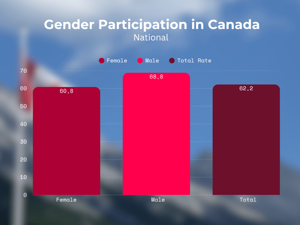
Recent data reveals Ontario's multi-operator framework has attracted over 1.3 million active player accounts in Q4 alone, while supporting more than 70 licensed private operators since its April 2022 launch. In contrast, Québec's monopolistic approach, while maintaining the country's highest participation rate at 69.1%, faces growing scrutiny regarding its ability to drive innovation and meet diverse player preferences.
Recent market analysis reveals striking contrasts between the two provincial approaches:
Ontario (AGCO/iGO):
- Revenue: CA$2.4 billion (2023-24)
- Active Players: 1.3 million accounts in Q4 2023
- Licensed Operators: 70+ private gaming companies
- Market Participation: 62.2%
- Regulatory Framework: Dual oversight (AGCO + iGaming Ontario)
- Innovation Metrics: Multiple platforms, diverse gaming options
- Age Requirement: 19+
Québec (Loto‑Québec):
- Revenue: Consolidated into provincial returns
- Market Structure: Single-operator monopoly
- Participation Rate: 69.1% (highest in Canada)
- Platform Options: Limited to Loto‑Québec offerings
- Regulatory Oversight: Self-regulated through crown corporation
- Innovation Pipeline: Centralized development
- Age Requirement: 18+
The iGaming Ontario Act on May 2025 further strengthens Ontario's position by establishing independent governance structures, potentially widening the gap between the two approaches.
Industry stakeholders suggest that Québec's model, while successful in many aspects, may need to evolve to remain competitive in Canada's rapidly changing gaming landscape. The province's ability to integrate new technologies and gaming innovations could be crucial for long-term market sustainability.
For more information, check out our data-driven article of Canadian Regulations,explore here.
Subjects
Casino Gambling Igaming Canada
 Follow